
Carbohydrates are one of the three macronutrients that provide your body with energy, along with protein and fat. However, not all carbs are created equal - they come in two main forms, simple and complex.
Understanding the differences between simple carbs vs complex carbs is key for managing your glucose levels and choosing the right carbs for your dietary needs and goals.
Over 780 SIBIONICS users have already benefited from this simple guide, successfully starting a healthy and balanced diet!
Introduction
What Are Carbohydrates?
Carbohydrates, or “carbs,” are the main source of energy for your body. When you eat carbs, your body turns them into sugar (glucose), which your brain and muscles use as fuel.
Carbs are found in everyday foods like fruits, vegetables, bread, rice, pasta, and dairy products. They can also come from added sugars in sweets and processed snacks.
Even though all carbs give you energy, different types of carbs affect your body in different ways-some give quick energy, while others provide steady, long-lasting energy.
What Are Simple Carbohydrates?
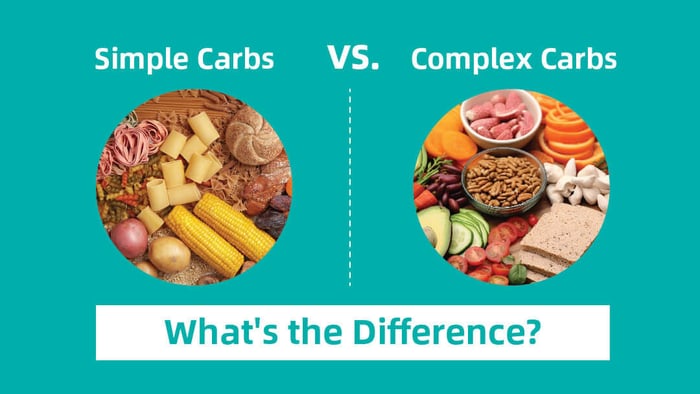
What is a simple carbohydrate? Simple carbs, also called high glycemic carbohydrates, consist of one or two sugar units, are broken down very quickly by your body.
They have a high glycemic index, meaning they cause your glucose levels to spike rapidly after consumption.
High simple carbohydrates examples food include:
- Sugars (sucrose, glucose, fructose): Table sugar, honey, molasses, juice, syrups.
- Refined starches: White bread, pasta, white rice, crackers, snack chips.
- Starchy vegetables: Sweet potatoes, beets.

These are some common foods that are rich in simple carbs examples.
When you eat simple carbs, your body breaks them down into glucose very rapidly.
This causes insulin, the hormone that regulates glucose, to surge and drive glucose into cells for energy or storage.
However, the spike in glucose is followed by a sharp drop, which leaves you feeling hungry soon after.
Over time, frequent glucose highs and lows from simple carb intake can increase your risk of obesity, heart disease and diabetes.
What Are Complex Carbohydrates?
What is a complex carbohydrate?
Complex carbohydrates are made up of three or more sugar units linked together. This complex structure takes the body longer to break down, resulting in a slower and steadier release of glucose into the bloodstream. Foods high in complex carbs include:
- Whole grains: Whole wheat, oats, brown rice, quinoa, barley, rye.
- Legumes: Beans, lentils, chickpeas, peas.
- Vegetables: Broccoli, cauliflower, spinach, mushrooms.
- Fruits: Berries, citrus, melons, apples, pears, bananas.

This is because complex carbs contain fiber, which slows digestion. Fiber requires more chewing and adds bulk to food in the gut.
It also binds to carbohydrates and sugar molecules, preventing rapid absorption into the bloodstream.
As a result, complex carbs release energy gradually and keep you feeling full for longer.
Complex Carbs VS Simple Carbs List: Comprehensive Comparison!
#1 Digestion Speed
In terms of digestion speed, simple carbohydrates have a straightforward structure that requires minimal breakdown once ingested.
They are rapidly absorbed and converted into energy, often leading to a swift rise in blood sugar and a short burst of energy.
Complex carbohydrates, however, feature longer, more intricate structures rich in fiber and starch.
The composition slows their digestion within the body, resulting in a more stable and sustained release of energy.
It makes them particularly beneficial for maintaining focus or physical performance over extended periods.
So, in complex vs simple carbohydrates digestion speed, simple carbohydrates are digested more quickly.
#2 Glycemic Impact
In terms of glycemic impact, simple carbohydrates cause blood sugar to rise rapidly in the short term, followed by a sharp drop, which can easily lead to hunger pangs, mood swings, or energy crashes.
In contrast, complex carbohydrates cause blood sugar to rise more gradually and steadily within the body, avoiding drastic fluctuations.
It makes them a superior choice for daily staples, particularly for individuals needing to regulate blood sugar or seeking stable energy levels.
#3 Glycemic Index & Glycemic Load
When comparing the effects of carbohydrates on blood sugar, relying solely on the glycemic index (GI) is insufficient; one must also consider the glycemic load (GL), which reflects the total amount of carbohydrates in a single serving.
Simple carbohydrates typically have both high GI and GL values, meaning they cause rapid and significant spikes in blood sugar levels.
Examples include sugary drinks, candy, and white bread. However, exceptions exist.
Take watermelon: while it has a high GI, its limited total carbohydrate content per serving results in a low GL, minimizing its actual impact on blood sugar.
In contrast, complex carbohydrates typically fall into the low-to-medium GI and low-GL categories.
Examples include oats, brown rice, legumes, and most vegetables, which promote a more stable blood sugar response.
Take potatoes, for instance: they have a moderate GI but a high GL due to their high starch content, meaning larger portions can still significantly impact blood sugar.
Therefore, when aiming to manage weight, maintain satiety, or stabilize blood sugar, it's essential to consider both GI and GL to fully understand how different carbohydrate foods affect the body.

#4 Nutrient Density
In terms of nutrient density, simple carbohydrates from processed foods are typically “high in calories but low in nutrients,” lacking vitamins, minerals, and fiber.
However, when derived from natural foods like fruits or milk, they still contain essential nutrients.
Complex carbohydrates generally offer higher nutrient density, being rich in fiber, B vitamins, minerals, and phytonutrients.
They not only provide energy but also support overall health more comprehensively.
#5 Satiety Level
When it comes to satiety, simple carbohydrates are absorbed too quickly to sustain long-lasting fullness, often leaving people hungry again shortly afterward and making it easy to overeat.
Complex carbohydrates, rich in fiber and digested slowly, help prolong feelings of fullness and reduce hunger between meals.
It aids in controlling calorie intake and stabilizing energy levels, making them more beneficial for weight management.
#6 Sugar Content
In terms of sugar content, simple carbohydrates often contain a higher proportion of monosaccharides or disaccharides. Particularly in processed foods, the abundance of added sugars places a greater burden on the body.
Complex carbohydrates, on the other hand, typically have lower sugar content.
They rely more on starch, fiber, and complex structures to provide energy, enabling the body to break down and utilize these nutrients in a healthier manner.
In complex carbs vs simple sugars, simple carbohydrates have relatively high sugar content.
#7 Long-term Health Effects
From a long-term health perspective, excessive intake of simple carbohydrates, particularly added sugars, increases the risk of weight gain, insulin resistance, type 2 diabetes, cardiovascular disease, and tooth decay.
In contrast, complex carbohydrates tend to promote long-term health.
They stabilize blood sugar levels, aid in weight management, reduce the risk of chronic diseases, and improve gut health through their high fiber content, providing the body with more balanced and sustainable nutritional support.
Complex Carbs VS Simple Carbs - Which Should You Choose?
For optimal health, focus on eating mostly complex carbohydrates with each meal to stabilize glucose levels.
Limit highly refined simple carbs like white bread, pasta and sugary snacks between meals. Here are some guidelines:
- Choose whole grains over refined grains whenever possible. Opt for brown rice over white, whole wheat instead of white bread.
- Go for leafy vegetables more than potatoes or other high-starch picks. Sweet potatoes offer fiber to balance their carb content.
- Eat fruits whole or juiced without added sugars. Berries are among the lowest glycemic fruits.
- Limit foods high in added sugars like candy, desserts and sugar-sweetened drinks. Treat these as occasional rewards.
- Read labels carefully. Many packaged foods contain hidden added sugars and refined carbs.
- Regularly monitoring glucose levels is essential. Glucose levels can vary due to various internal and external factors.
The SIBIONICS GS1 Continuous Glucose Monitoring (CGM) System allows you to observe how different types of carbohydrates affect your blood sugar throughout the day.
With 24/7 real-time monitoring over 14 days and a calibration-free, user-friendly design, it makes it easier to see the effects of both simple and complex carbs on your glucose levels.
By tracking your body’s response to meals, you can make more informed choices about the carbohydrates you consume, supporting better long-term health.

Conclusion
After reading the article of simple carbohydrates vs complex carbohydrates, I believe you have understood the important difference between complex and simple carbs.
In the pursuit of optimal health, a thoughtful approach to carbohydrate consumption is paramount.
Prioritize complex, whole-food carb sources for sustained energy, avoiding spikes and crashes. Limit processed simple carbs.
If you need to monitor your blood sugar, the SIBIONICS CGM lets you track how foods affect your levels and make optimized daily choices to support long-term health.
FAQs
Q: Do simple or complex carbs give more energy?
A: Both simple and complex carbohydrates provide energy, but they do so at different rates. Simple carbs, found in foods like sugars and refined grains, can provide a quick energy boost. On the other hand, complex carbs, found in whole grains, vegetables, and legumes, release energy more slowly and provide sustained energy over a longer period.
Q: How long does it take to digest complex carbs?
A: It typically takes the body 2-3 hours to fully break down and digest complex carbs compared to 30-60 minutes for simple carbs. This is because complex carbs contain more fiber which slows the digestion process.
Q: Do complex carbs turn to fat?
A: Complex carbs are less likely to be stored as fat compared to simple carbs. When consumed as part of an overall healthy diet, complex carbs provide long-lasting energy and help promote fullness without significant fat storage.
Q: Are carbohydrates essential for the body?
A: Carbohydrates are not technically essential in the same way as proteins and fats, but they play a crucial role in providing energy, especially for the brain and muscles. Many nutritious foods rich in vitamins, minerals, and fiber are also good sources of carbohydrates. A well-balanced diet typically includes a reasonable amount of carbohydrates.
Q: Will complex carbs eventually break down into simple sugars?
A: Yes, through the digestive process all carbohydrates - simple and complex - will ultimately break down into glucose. However, complex carbs take longer to digest and allow for a gradual rise in glucose levels rather than a spike.
Q: Are potatoes simple carbs?
A: Although potatoes are technically considered complex carbohydrates because they contain starch - long chains of sugar molecules, they are very starchy and digest quickly, often causing blood sugar to rise rapidly, much like simple carbohydrates.
Q: Is rice a simple carb?
A: No, rice is not typically classified as a simple carbohydrate. Most rice, including white and brown rice, is considered a complex carbohydrate because it contains starches - long chains of sugar molecules.
However, the type of rice and how it’s processed affects how quickly it raises blood sugar.
For example, white rice is more refined, digests faster, and can cause blood sugar to rise more quickly, behaving somewhat like a simple carb. In contrast, brown rice or other whole-grain rice contains more fiber, digests more slowly, and has a lower glycemic impact.
Q: What are the best low glycemic index foods?
A: The best low glycemic index foods, with a GI of 55 or less, include most fruits, vegetables, beans, minimally processed grains, pasta, low-fat dairy foods, and nuts. Some examples are berries, leafy greens, and legumes. Additionally, moderate glycemic index foods (GI 56 to 69) like white potatoes, corn, and certain cereals can be consumed in moderation.
SIBIONICS GS1 CGM-Continuous Glucose Monitoring System

€62,99
14-Days Continuous Glucose Monitoring Highly Accurate Sensor Readings Exportable AGP Reports Shareable Real-Time Glucose Data Customizable Glucose Alarm User-friendly App Calibration Free No Scanning IP28 Waterproof … read more